
Welcome to the Christmas Eve edition of the Crypto In America newsletter! 🎄
What you’ll read: Former Acting CFTC Chair Caroline Pham on her legacy and move to MoonPay, House lawmakers advancing crypto tax reform, and a midweek headline roundup.
This week on the pod, the team sat down with Caroline Pham, former Acting Chair of the CFTC and now Chief Legal Officer and Chief Administrative Officer at MoonPay.
We talk through her path from law school to the CFTC, including internships at the SEC and OCC and a career on Wall Street in between. Pham reflects on her time at the commodities regulator, including the frustrations of advocating for digital assets under the anti-crypto Biden administration and her efforts as chair to leverage the agency’s existing authority to advance a handful of pro-crypto initiatives. We also get her take on the expansion of prediction markets, where the market structure bill stands heading into 2026, and the biggest challenges facing her successor, Michael Selig, as the agency prepares for expanded oversight of crypto markets.
Pham also discusses her move to crypto payments firm MoonPay, why the company is the right fit for her, and why she sees 2026 as a defining year for institutional adoption.
Watch the full episode on all platforms here.
House Lawmakers Push for Crypto Tax Clarity
While the House waits on the Senate to pass market structure, some members are already moving on to the next crypto battleground: taxes.
Reps. Max Miller (R-OH) and Steven Horsford (D-NV), both members of the prestigious House Ways and Means Committee, released the Digital Asset PARITY Act, a bipartisan discussion draft designed to modernize crypto taxation.
Among the draft’s most notable features is the tradeoff of closing crypto’s wash sale loophole in exchange for long-sought relief on staking, mining, and everyday payments.
If passed, the bill would apply traditional wash sale rules to digital assets, ending the practice of selling at a loss and immediately buying back the same asset. Traders would need to wait 30 days to claim a loss, aligning crypto with equity markets and potentially raising over ten billion in federal revenue.
In return, the legislation allows validators and miners to defer taxes on staking and mining rewards for up to five years or until the assets are sold, addressing the industry’s enduring “phantom income” problem — when validators owe taxes on rewards they haven’t sold and can’t easily convert to cash.
For retail users, the draft introduces a $200 de minimis exemption for transactions made with GENIUS Act–compliant stablecoins, removing capital gains taxes from everyday spending. Some in the Bitcoin community are concerned that the world’s largest cryptocurrency, the asset that would benefit most from the exemption, won’t be included. It’s also unclear whether capital gains taxes are actually an issue for stablecoin users today, since they’re pegged to the dollar.
“Today, even the smallest crypto transaction can trigger tax calculation, while other areas of the law lack clarity and invite abuse,” said Horsford. “Our discussion draft of the Digital Asset PARITY Act takes a targeted approach that provides an even playing field for consumers and businesses alike to benefit from this new form of payment.”
The draft also allows crypto donated to charity to bypass third-party appraisals, an expense many consider unnecessary.
Midweek Recap
Michael Selig was sworn in as the 16th Chairman of the CFTC and Acting Chair Caroline Pham began her first day at MoonPay.
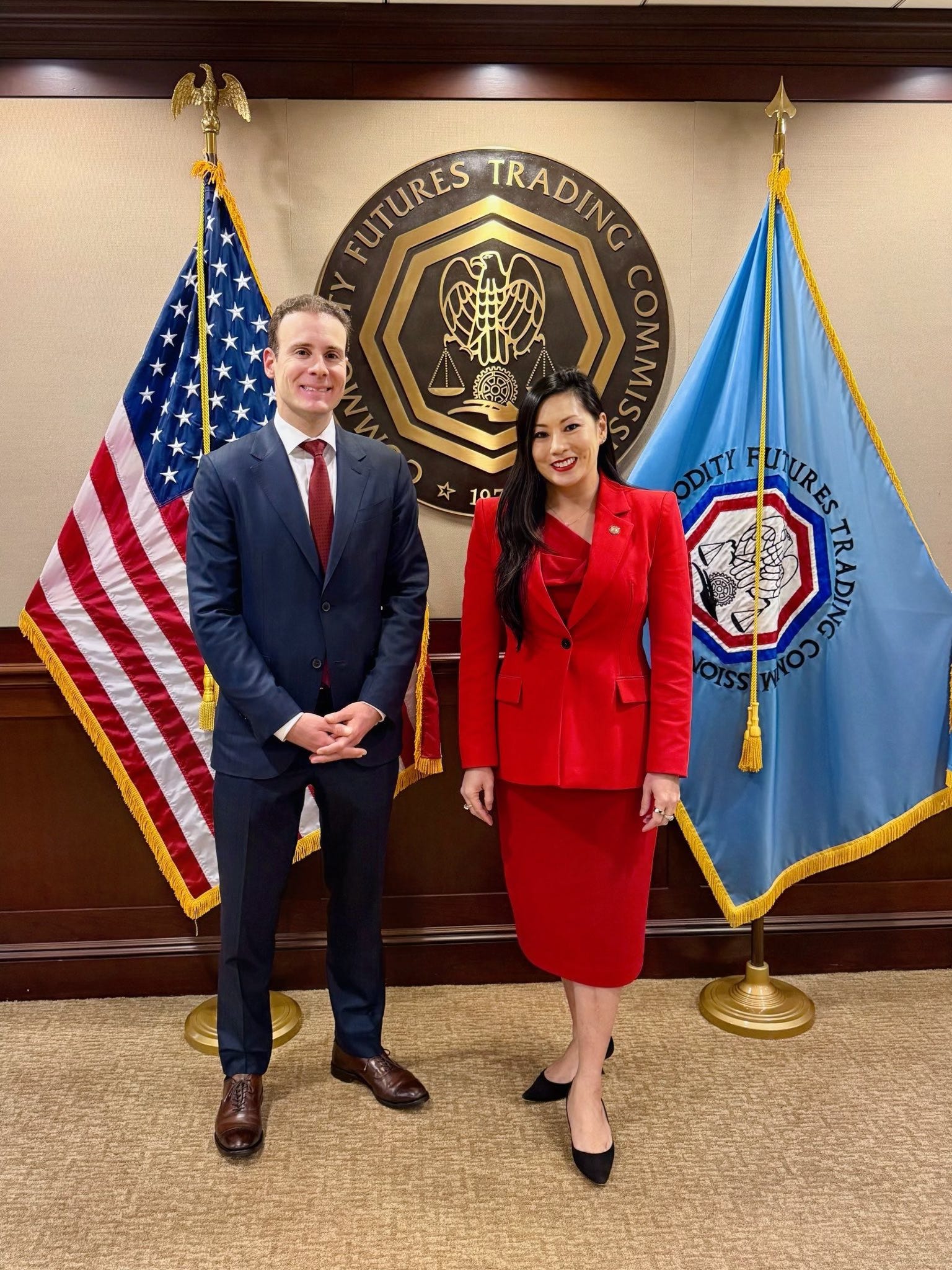
JPMorgan is considering offering crypto trading to its institutional clients, according to a report from Bloomberg.
Arizona State Senator Wendy Rogers introduced a package of bills aimed at reshaping how digital assets are treated under state and local tax law.
The S&P 500 hit a new all-time high, closing above 6,909 for the first time ever.
Gold broke a new all-time high of $4,500.
U.S. GDP grew 4.3% in Q3 2025, up from 3.8% in the previous quarter, as consumer spending, exports, and government spending boosted economic activity despite weaker investment.
Remember, new editions of the Crypto In America newsletter drop every Monday, Wednesday and Friday at 7AM EST.
If you like what you’re reading, don’t forget to subscribe!