

Good morning! If you’re just waking up on the East Coast, you’re waking up to a sweeping Democratic victory in Tuesday’s midterm elections.
What You Need to Know: The midterms delivered a largely bruising night for Republicans and the crypto industry, despite more than $170 million in industry spending this election cycle. Democrats flipped both chambers of Congress, several key crypto allies lost their seats, and some of the industry’s most vocal critics are poised to take control of the committees overseeing digital assets.
The Biggest Wins and Losses
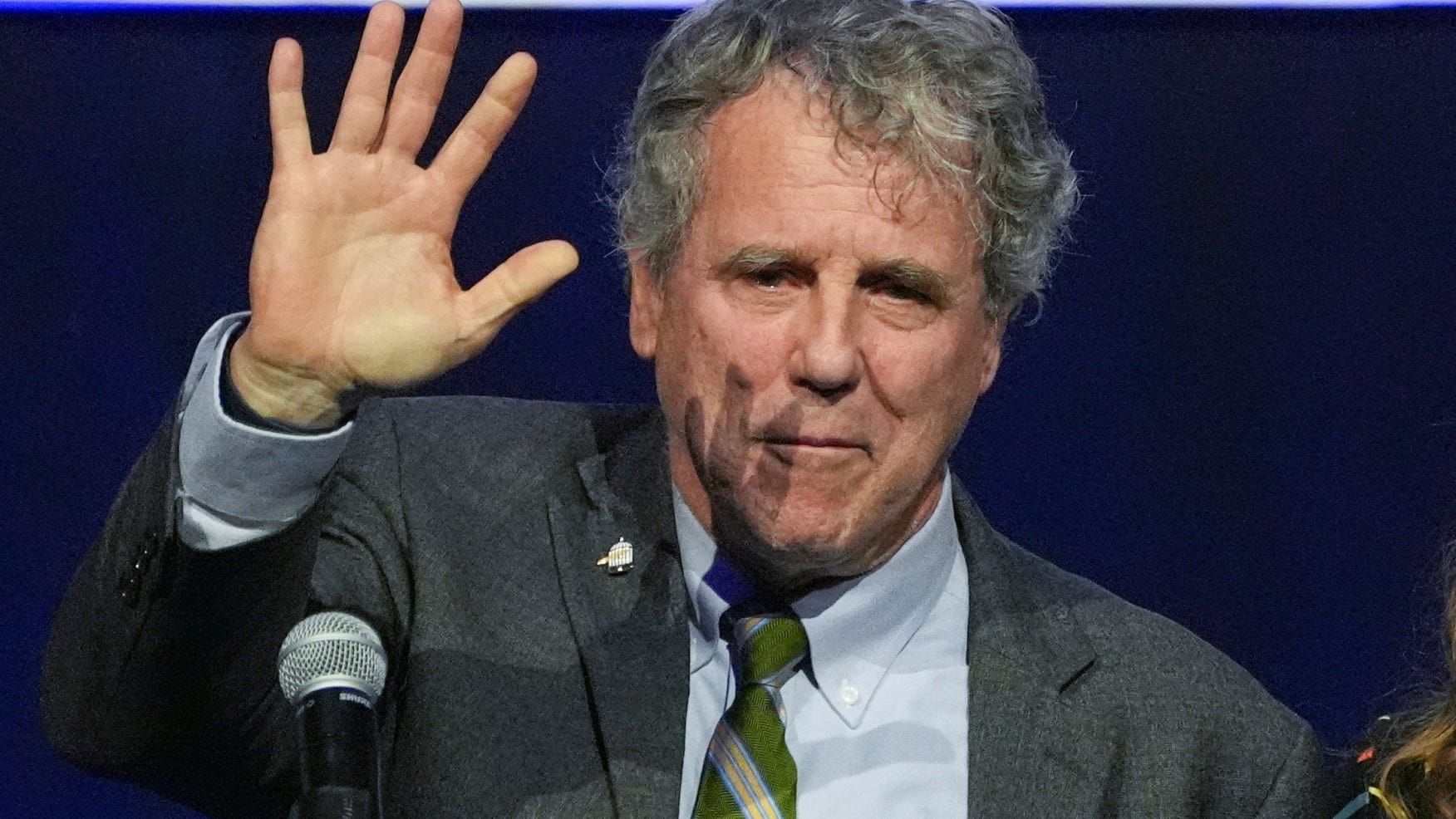
Sherrod Brown is back. More than $64 million in crypto industry spending failed to keep the Ohio Democrat out of the Senate. Brown, a longtime crypto skeptic and former Senate Banking Committee chair, could once again find himself in a leadership position on a committee with jurisdiction over digital assets, though Senate seniority rules could complicate that path. Meanwhile, Senator Elizabeth Warren (D-MA), another of the industry’s fiercest critics, could take the gavel of the Senate Banking Committee, where she currently serves as the top Democrat.
Crypto loses key House allies. Pro-crypto Republicans Bryan Steil of Wisconsin, Zach Nunn of Iowa and Ann Wagner of Missouri all lost their seats. New York Republican Mike Lawler also conceded to Democrat Cait Conley, though the AP has yet to call the race as delayed ballots are counted.
Gillibrand gains influence, Scott to lose his gavel. Senator Kirsten Gillibrand (D-NY), a leading Democratic voice on crypto policy and chair of the Democratic Senatorial Campaign Committee, helped deliver a larger-than-expected Senate majority for Democrats, strengthening her influence within the party. Meanwhile, Senator Tim Scott (R-SC), who chairs the National Republican Senatorial Committee, is expected to move from Senate Banking Committee chair to ranking member after Republicans lost control of the chamber.
French Hill hangs on, but loses the gavel. The House Financial Services chairman appears poised to narrowly win reelection in Arkansas, with his race still uncalled. But with Democrats taking control of the House, Hill is expected to become ranking member while Rep. Maxine Waters (D-CA) returns as chair.
It wasn’t a total wash for crypto. Nebraska Sen. Pete Ricketts (R-NE), a pro-crypto member of the Banking Committee, won reelection. Meanwhile, Rep. Andy Barr (R-KY) won Kentucky’s open Senate seat, replacing Mitch McConnell. Barr, another industry ally, could be a contender for a seat on the Senate Banking Committee.
What It Means for Crypto
The results leave the industry facing a very different political landscape in Washington than the one it helped shape in 2024.
After enjoying strong Republican support over the last two years, the industry now faces Democratic control of both chambers, the loss of several key Republican allies and a reshuffling of leadership on the committees responsible for writing digital asset legislation.
This almost certainly means the chances of market structure legislation becoming law are now close to zero, at least in its current form. Any legislation that does eventually emerge is also likely to reflect more of the changes Democrats have been pushing for.
It also means congressional oversight of Republicans and the Trump administration is set to ramp up. We got a preview of that last night when incoming House Oversight Chairman Robert Garcia (D-CA) tweeted just two words: “LAWYER UP.”

For crypto, increased oversight could mean a laser focus on the Trump administration’s ties to the industry, including the president’s own crypto ventures, potential conflicts of interest and regulatory decisions made by agencies like the SEC and CFTC.
Expect more hearings, investigations and demands for documents as Democrats take a closer look at an industry that has benefited from a much friendlier reception in Washington under Trump.