
Welcome to the Wednesday edition of the Crypto In America newsletter!
What you’ll read: Senate Banking Chair teases a yield deal; the SEC and CFTC drop some serious clarity; plus Uniswap’s head of policy joins the podcast.
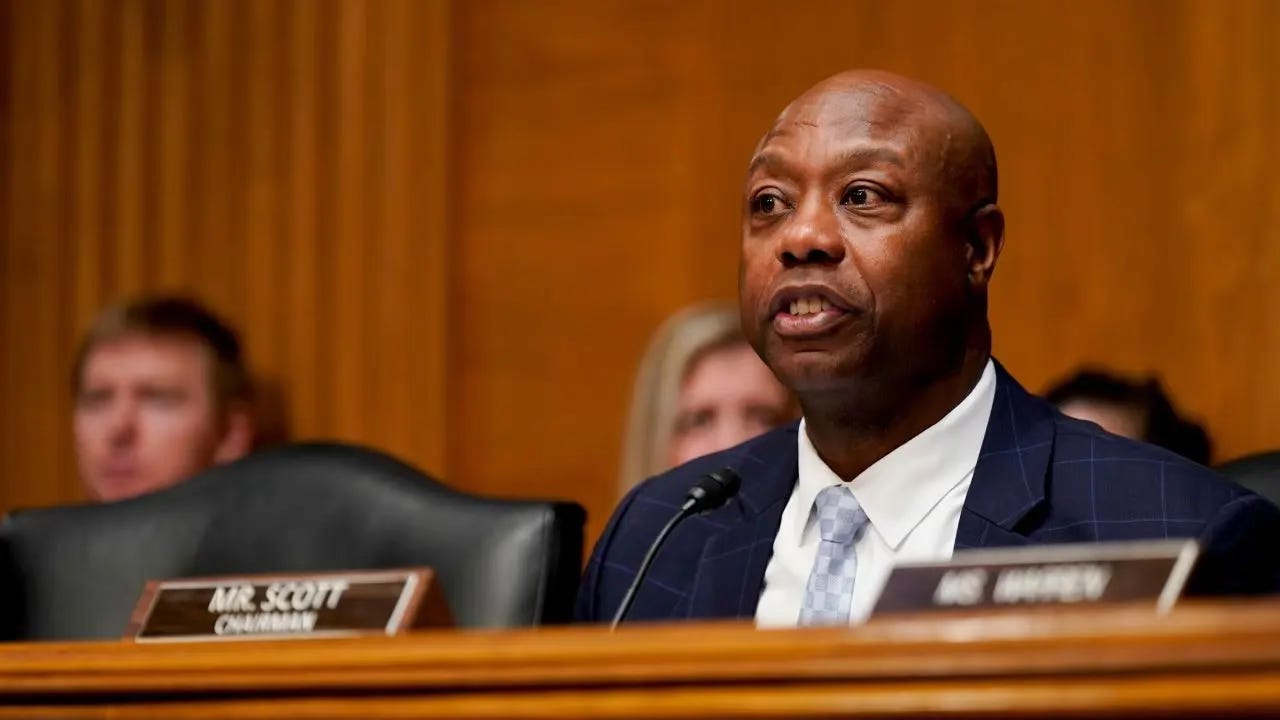
After a month and a half of negotiations to bring crypto firms and banks – and two Senators – to a workable position on whether stablecoin holders can earn yield or rewards, a compromise may finally be in the offing.
Senate Banking Committee Chairman Tim Scott (R-SC) said on Tuesday at the DC Blockchain Summit that he expects to have “the first proposal” on stablecoin yield in hand by the end of the week. He credited Senators Angela Alsobrooks (D-MD) and Thom Tillis (R-NC), along with White House Crypto Council Executive Director Patrick Witt for the progress.
In a private, member-only session earlier that morning, White House Crypto Council’s Harry Jung said progress had been made, teasing that he’d “leave the hook” for Witt’s appearance the following day, and urging attendees to show up to hear more.
If a compromise has indeed been reached, what’s next? As Crypto In America has been reporting, the yield issue, while certainly the highest profile, is not the only issue to solve before Chairman Scott can reschedule the postponed January markup.
Title III, aka the DeFi section, is being ironed out behind the scenes amongst a handful of crypto industry stakeholders and Senate Democrats, and is also said to be close to a form both sides will be content with.
“I think we’re making real progress,” Brian Nistler, Uniswap’s head of policy who has been involved in some of those discussions, told Crypto in America. “A year ago, we weren’t having the same level of detailed conversations we’re having today.”
Scott also signaled progress on DeFi, along with movement on ethics and quorum, and said Democratic concerns were being addressed by adding minority party representation at the SEC and CFTC.
“We know that that’s a big issue for our friends on the other side of the aisle, so we’re fixing that as well. I think we’re moving forward with some [nominations], which is great news that we were able to get some out of the other side,” he said.
Token classification in Title I is another area that stakeholders, particularly exchanges, have been focused on behind the scenes. Banking Committee leadership is now eyeing April for a potential markup — the first two weeks are already off the table due to the Easter recess, which leaves three possible weeks left on the calendar.
A meeting of Republican Senate Banking members is set to take place this Thursday to discuss the path forward on market structure, according to three people familiar with the plans.
SEC Chair: “We’re not the ‘securities and everything’ commission anymore”
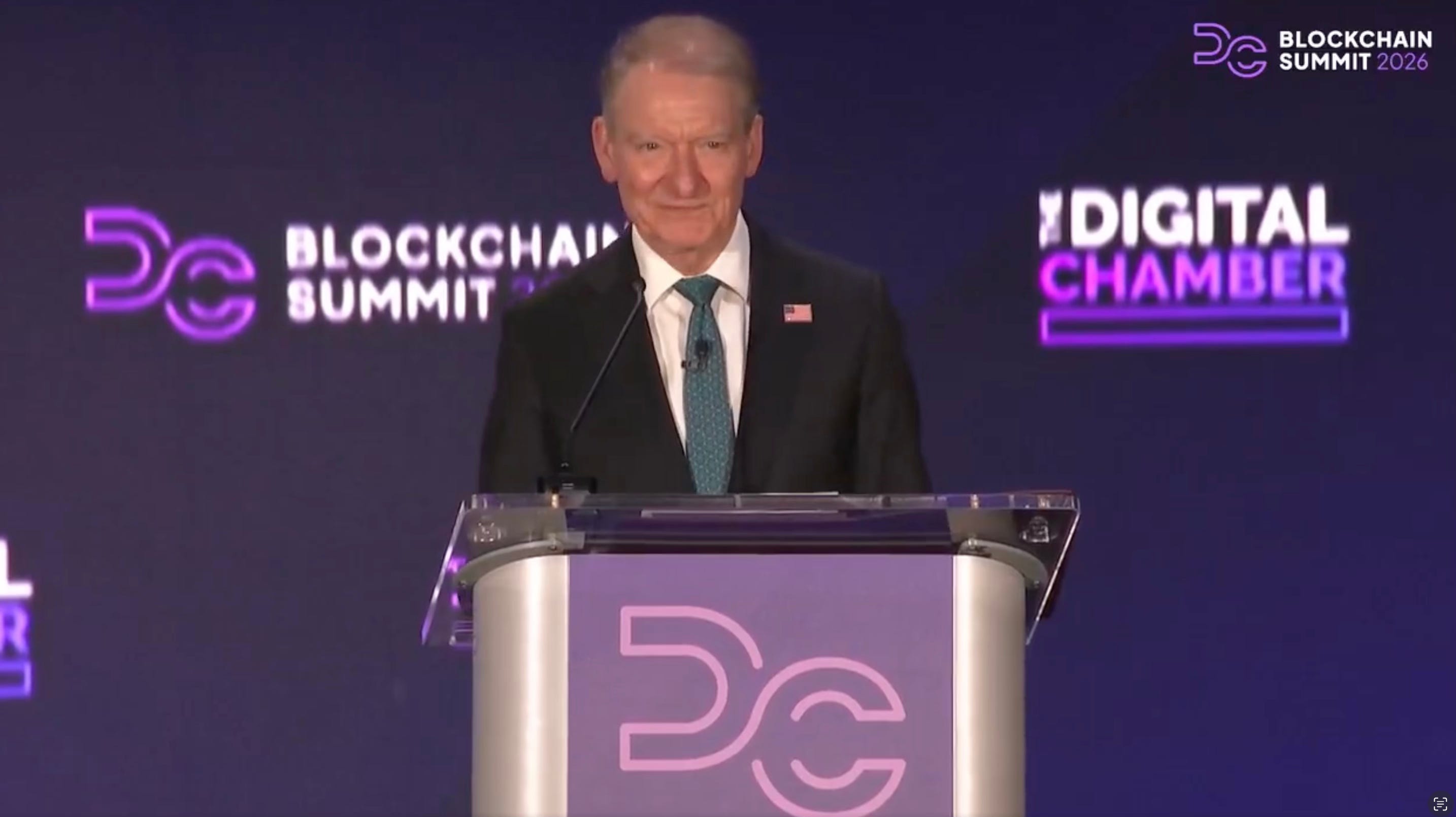
While the crypto market waits on lawmakers to pass the Clarity Act, its two top regulators have joined forces to deliver some long-awaited clarity of their own.
In a 68-page interpretation of how existing securities laws apply to crypto, the agencies formally laid out a token taxonomy for classifying digital assets, and addressed how on-chain activities like staking, mining, airdrops and wrapping are treated under existing law. The move was welcomed warmly by industry participants who have long called for clearer rules of the road after years of navigating regulation by enforcement.
“2023 me couldn’t have imagined that 2126 me would see such a thing, let alone 2026 me,” said Paul Grewal, chief legal officer of Coinbase, who spent two years battling the Biden-era SEC over allegations the company was listing unregistered securities.


At the core of the framework is the view that most crypto assets are not securities, and that tokens can be part of an investment contract at one point in time, but those investment contracts can “end” — a sharp break from former SEC Chair Gary Gensler’s stance.
“The interpretation clarifies that only one crypto asset class remains subject to the securities laws: digital securities, namely traditional securities that are tokenized,” Atkins said. “We’re not the ‘securities and everything’ commission anymore.”
The token taxonomy itself, which divides crypto assets into five categories — digital commodities, digital collectibles, digital tools, stablecoins, and digital securities — isn’t new. It’s something Atkins first laid out last August when he introduced the SEC’s Project Crypto, an initiative recently relaunched in partnership with the CFTC.
This time, though, the agencies have gone a step further, naming sixteen tokens as digital commodities, shifting them out of SEC territory and into the CFTC’s. The list includes Bitcoin (BTC), Ether (ETH), Solana (SOL), XRP, Cardano (ADA), Avalanche (AVAX), Chainlink (LINK), Dogecoin (DOGE), and eight others.
The news marks a major vindication for XRP holders. After a nearly five-year legal battle between the SEC and Ripple (one of the token’s primary distributors) over allegations of unregistered securities sales that sent XRP’s price tumbling and led to its removal from major exchanges, the regulator is now saying the token is not a security.
“We always knew XRP wasn’t a security - and now the SEC has made clear what it is: a digital commodity. Grateful to the Crypto Task Force for working to deliver the clarity that markets, investors, and innovators have long deserved,” said Ripple’s Chief Legal Officer, Stuart Alderoty.

Atkins also signaled the SEC is exploring tailored exemptions to make it easier for crypto projects to raise capital, alongside a model in which tokens can transition out of securities status as networks mature. He also floated greater flexibility for where those assets can trade, including outside traditional SEC-regulated venues like state-regulated or CFTC platforms.

Invest as you spend with the Gemini Credit Card®. Earn up to 4% crypto back on every purchase with no annual fee.
Gemini-branded credit products are issued by WebBank. This is not investment advice and trading crypto involves risk. See Rates & Fees.
Live from DC with Uniswap’s Head of Policy
This week on the podcast, we sat down with Brian Nistler, head of policy at Uniswap Labs, for a live on-stage episode at ETHDC. The conversation broke down where things stand on the Clarity Act, including Title III and the Blockchain Regulatory Clarity Act (BRCA), and why developer protections remain one of the most important issues for crypto in Washington.
Nistler explained why those conversations have evolved significantly over the past year and what’s driving cautious optimism that a deal can get done.
We also dove into Uniswap’s evolution and the broader state of DAOs, including governance risks, delegation, and how to think about trust in DeFi systems. Plus, Nistler spoke on the DOJ’s push for a retrial in the Roman Storm case and what signal that sends to builders, and why BlackRock’s partnership with Uniswap is a notable moment for institutional adoption.
Watch this episode on all platforms here.
Remember, new editions of the Crypto In America newsletter drop every Monday and Wednesday.
If you like what you’re reading, don’t forget to subscribe!